
The Mosul Story
A Historical & Cultural Hub Rebuilding After Devastation
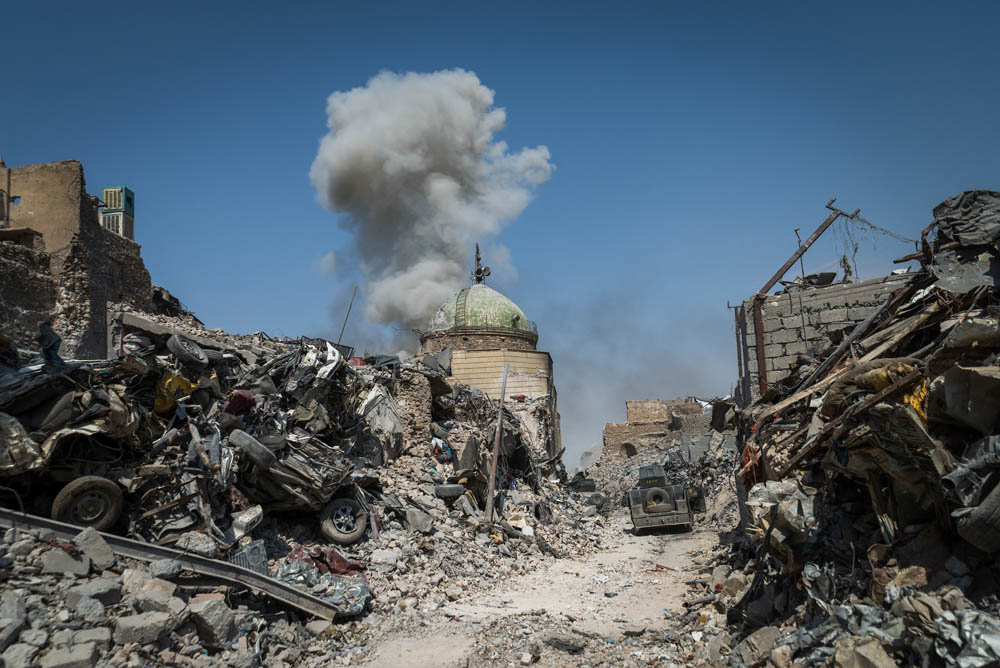
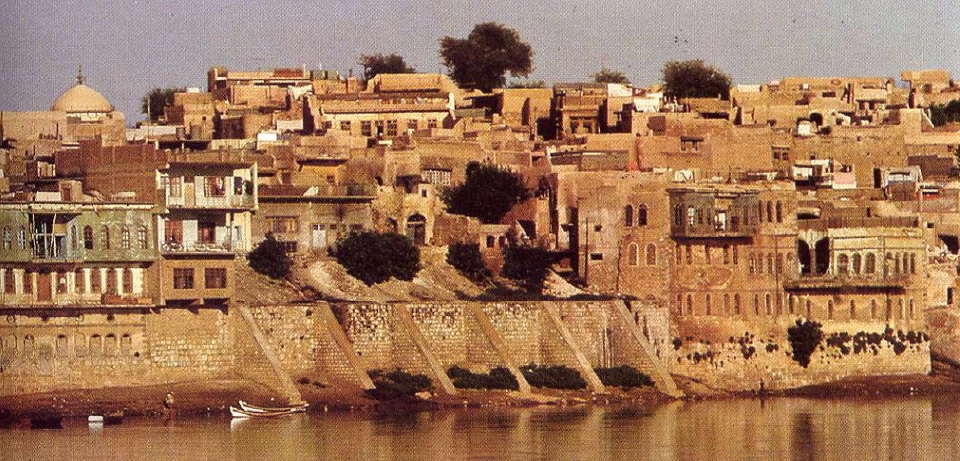
Mosul is the provincial capital of the governorate of Nineveh in North Iraq. An ancient and quaint city, it is home to a diverse ethnic and religious mix synthesized over millennia into a unique culture adding to the already beautiful mosaic of the Iraqi society. Nineveh governorate population is 3,270,00 as of 2011 of which about 2,000,000 resided in the city of Mosul. Split by the Tigris river the old historic part of the city lays on the western bank and the ancient biblical Nineveh and modern developed Mosul on the eastern bank. The city has been nicknamed the “mother of two springs” for its temperate whether and beautiful nature in autumn and spring. Until recently Mosul was home to large number of mosques, churches, monasteries, and religiously significant sites for its diverse religious adherents. The University of Mosul, established in 1967, maintained a renowned reputation as one of the best universities in Iraq and the middle east. The occupation of the city by the ISIS forces in the summer of 2014 and the ensuing liberation mission by the Iraqi Army caused the total destruction of the old city and most of its infrastructures, more than 40,000 civilian fatal casualties, and more than 250,000 displaced in refugee camps. Today months after its liberation, people in Mosul continue to struggle for normalcy with severely damaged services including schools, hospitals, utilities, severe trauma, and struggling economy.